

















As Uganda quietly inches toward another potential parliamentary leadership contest, political intrigue is once again settling over the corridors of Parliament.
While public debate often spills into rallies and media talk shows, the reality remains clear: when it comes to electing parliamentary leaders, the decisive battleground is not the village square but the floor of the House.


The votes that matter are cast by Members of Parliament, and in that chamber, numbers are everything.
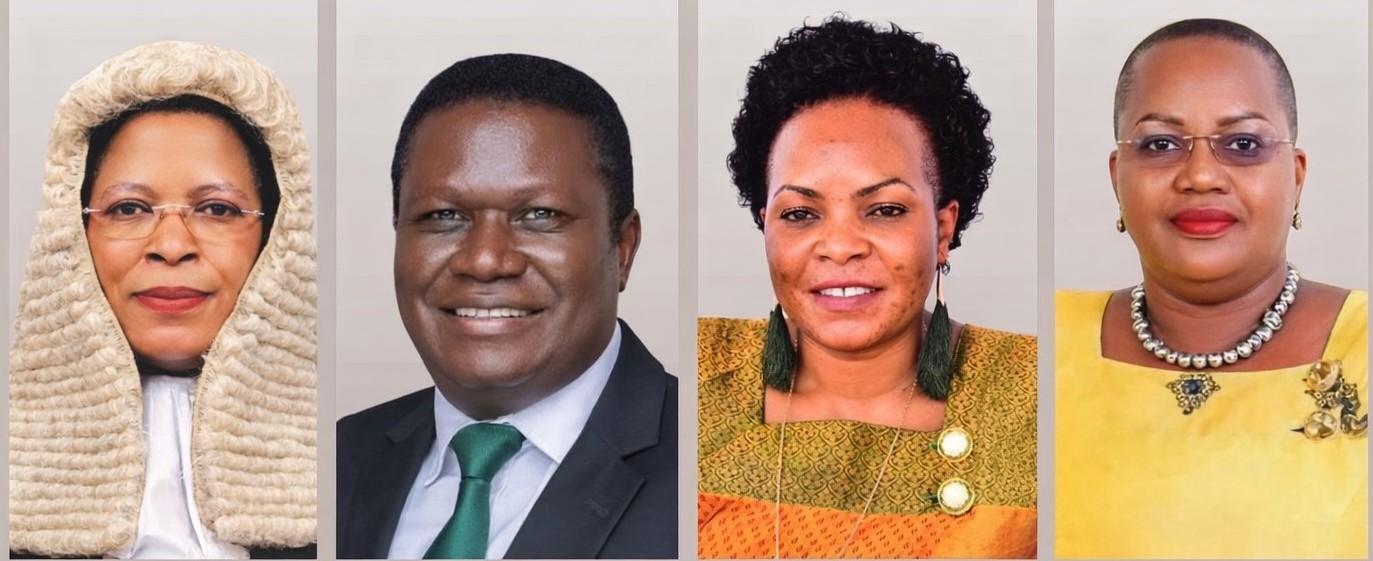
Should a contest emerge involving figures such as Anita Among, Norbert Mao, Lydia Wanyoto, and Persis Namuganza, the outcome would not be shaped by roadside popularity or social media traction.
It would be determined by parliamentary arithmetic, and that arithmetic currently favors the ruling National Resistance Movement (NRM), which commands the majority in the House.
Anita Among enters such a hypothetical race from a position of strength. As the incumbent Speaker and a senior figure within the NRM, she benefits not only from incumbency but from the structural advantage of party dominance.
In parliamentary politics, caucus cohesion often outweighs individual ambition. If the NRM caucus closes ranks behind her, the path to victory becomes significantly clearer.
However, internal party politics can never be underestimated. Leadership contests within dominant parties are often less about opposition pressure and more about internal consensus.
Norbert Mao represents a different political calculation. As Democratic Party president and Justice Minister, he straddles the line between opposition heritage and government partnership.
For Mao to prevail in a parliamentary vote, he would require more than opposition solidarity; he would need substantial goodwill from the ruling side or fractures within it.
His experience, legal mind, and history in national politics make him a credible statesman, but parliamentary leadership contests are rarely won on credentials alone. They are won on alliances.
Lydia Wanyoto would likely frame her candidacy around institutional reform, diplomatic temperament, and policy depth.
Her legislative and regional experience position her as a technocratic alternative in a race that could otherwise be personality-driven.
Yet in a House where party loyalty frequently guides the ballot, persuasion must be matched with numbers.
Without a strong bloc firmly behind her, her path would depend on building a coalition that cuts across party lines, a difficult but not impossible task.
Persis Namuganza brings an assertive and grassroots-oriented style to the table. Known for her resilience and mobilization skills, she thrives in political confrontation.
However, parliamentary leadership contests are less about public rallies and more about caucus negotiations.
If she were to challenge from within the NRM fold, the decisive question would be whether enough ruling party MPs are willing to shift allegiance.
In a majority-dominated House, internal party dynamics often determine outcomes long before ballots are cast.
Ultimately, this would not simply be a contest of personalities but a test of party discipline and strategic alliances.
Uganda’s Parliament operates within a clear political reality: the ruling party’s majority provides it with decisive influence over internal leadership positions.
Any serious challenge would therefore have to emerge either from within that majority or from an extraordinary coalition capable of upsetting the numbers.
In the end, parliamentary leadership in Uganda is shaped less by public spectacle and more by quiet negotiation, caucus strategy, and numerical strength.
If such a race materializes, the decisive conversations will not happen at campaign podiums but behind closed doors, where alliances are forged, loyalties tested, and the true balance of power revealed.











 English